
1.) Ethical or Sustainable Subject- Include background research about your chosen subject, audience and purpose (500 words plus visuals with captions)
Ocean pollution, particularly plastic waste, has emerged as one of the most pressing global environmental issues. The scale of the problem is immense—each year, an estimated 11 million tonnes of plastic waste flow into the ocean, a figure projected to triple by 2040 without urgent action (Pew Charitable Trusts and SYSTEMIQ, 2020). This pollution damages marine ecosystems, harms biodiversity, and endangers the health of both animals and humans. Plastic debris is commonly ingested by marine animals such as fish, turtles, and seabirds, often leading to death through starvation, internal injuries, or entanglement (National Geographic, 2023).
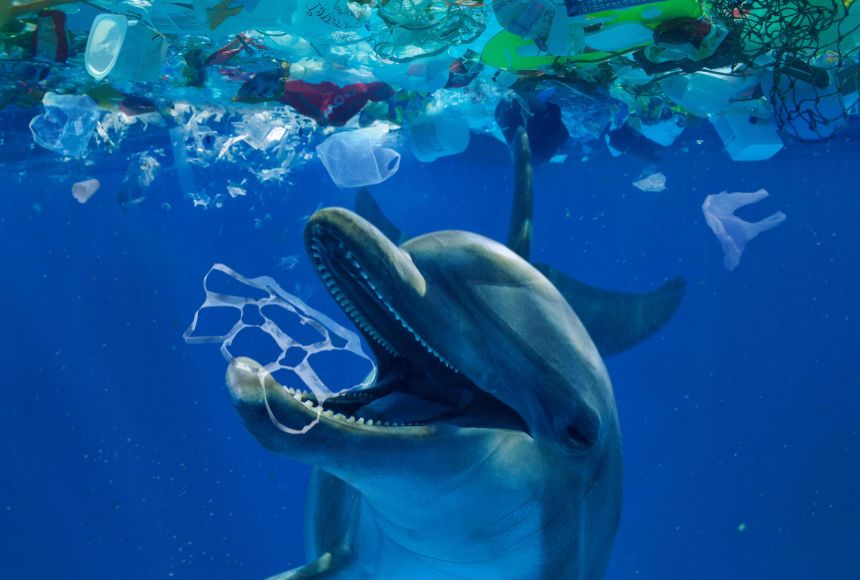
Scientific studies have also shown that plastics break down into microplastics that can be ingested by smaller sea life, eventually entering the human food chain. Recent findings suggest microplastics have now been detected in human blood and even lung tissue, raising concerns about long-term health effects (BBC News, 2022). This highlights the widespread and systemic nature of plastic pollution—not only as a threat to wildlife, but also as a human health risk.
In my animation, the fish serves as the central protagonist. This decision was made to personify the impacts of plastic waste on marine life and create an emotional connection with viewers. Through classical animation techniques, the fish is shown moving freely before being confronted and ultimately trapped by a plastic bag. The use of character-driven animation makes abstract issues like pollution more tangible and emotionally compelling, especially when communicated visually (WWF, 2023).
A key part of the narrative is the conceptual design transition: as the fish becomes trapped and dies, the camera zooms into the plastic bag, transitioning to a new scene where the bag is resting on top of a recycling bin on land. This moment symbolically ties the underwater tragedy to human behaviour, showing that pollution in the ocean originates from our actions on land. According to the International Union for Conservation of Nature (IUCN, 2021), more than 80% of ocean plastic comes from land-based sources, primarily due to poor waste management and littering.
The animation concludes with the message: “The ocean is NOT a bin. Dispose of waste responsibly.” This call to action serves both educational and motivational purposes. The animation encourages audiences not only to understand the consequences of pollution but to take responsibility and change behaviour through proper disposal and recycling.
My target audience includes children, teenagers, and the public. Animation is particularly effective for youth education due to its accessible, engaging format (UNESCO, 2020). The freedom of animation allows complex issues like sustainability to be represented in a visually striking and emotional way, which is critical for awareness campaigns. By combining narrative, symbolism, and a clear moral message, the animation aims to raise awareness of ocean pollution while promoting ethical and sustainable behaviour.
References
BBC News (2022) Microplastics found in human blood for first time. Available at: https://www.bbc.com/news/science-environment-60866817 [Accessed: 5 May 2025].
International Union for Conservation of Nature (IUCN) (2021) Marine plastic pollution. Available at: https://www.iucn.org/resources/issues-briefs/marine-plastic-pollution [Accessed: 5 May 2025].
National Geographic (2023) Ocean plastic pollution. Available at: https://education.nationalgeographic.org/resource/resource-library-plastic-pollution/ [Accessed: 5 May 2025].
National Geographic (2015) dolphin eating plastic. Available at: https://education.nationalgeographic.org/resource/ocean-trash-525-trillion-pieces-and-counting-big-questions-remain/ [Accessed: 3 May 2025]
Pew Charitable Trusts and SYSTEMIQ (2020) Breaking the Plastic Wave: A comprehensive assessment of pathways towards stopping ocean plastic pollution. Available at: https://www.pewtrusts.org/en/research-and-analysis/articles/2020/07/23/breaking-the-plastic-wave-top-findings [Accessed: 5 May 2025].
UNESCO (2020) Education for Sustainable Development: A roadmap. Available at: https://unesdoc.unesco.org/ark:/48223/pf0000374802 [Accessed: 5 May 2025].
WWF (2023) Why Plastic Pollution Matters. Available at: https://www.wwf.org.uk/updates/plastic-pollution [Accessed: 5 May 2025].
2.) Conceptual Design Transition Planning- Include your eight-panel storyboard (500 words plus visuals with captions)
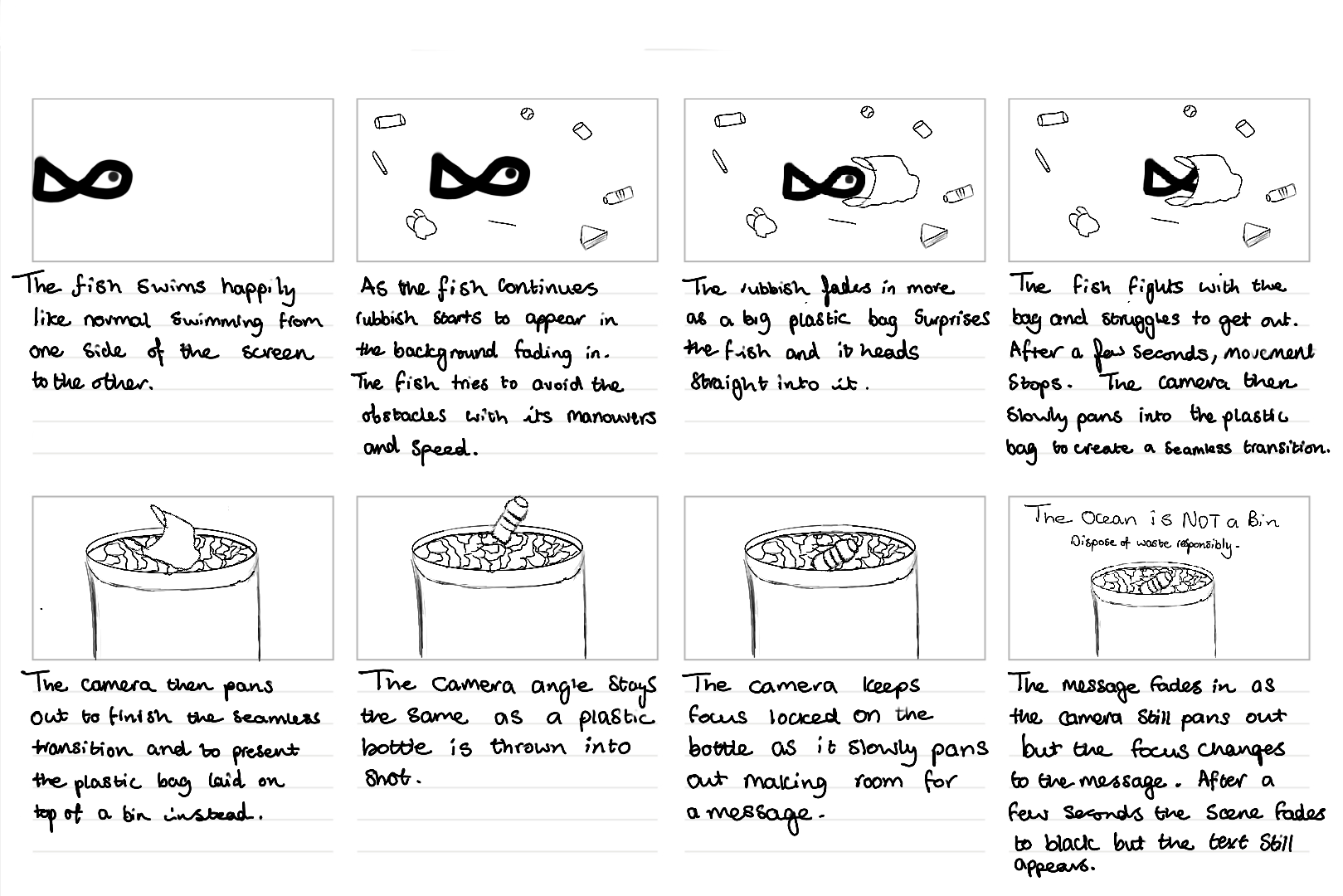
My storyboard represents a classical animation narrative centred around the theme of ocean pollution and its consequences on marine life. The heart of the story follows a lone fish, who is a symbol of innocence and vulnerability. Through the fish’s journey, I aimed to tell a story that’s both emotionally engaging and something that gets people thinking about their actions and responsibilities.
The fish begins swimming happily in a clean, unspoiled ocean. This visual was chosen deliberately to create a peaceful baseline from which disruption could occur. As more rubbish gradually appears in the scene, the tone starts to shift. The slow fade-in of debris mirrors how environmental damage doesn’t happen all at once but increases over time due to neglect and human activity. The fish attempting to avoid the rubbish reflects nature’s struggle to adapt to unnatural threats
The pivotal point is when the plastic bag appears unexpectedly, and the fish swims directly into it. This was designed to be abrupt and shocking. A sudden danger to the fish that feels almost predatory. The fish’s fight to escape, and eventual stillness, marks a tragic turning point in the narrative. Rather than cutting straight to a new scene, I decided to employ a conceptual design transition to shift the focus from underwater to land.
I chose zooming into the plastic bag and emerging out of it onto a bin on land because it avoids a jarring scene change and instead guides the viewer through the object that represents the central problem: the plastic bag. This bag serves as both a literal and metaphorical tool, tying the tragic underwater moment to its cause—human waste disposal practices.
The decision to zoom into the bag was also influenced by the idea of visual continuity. Instead of using a traditional fade or cut, this method maintains the viewer’s focus on the plastic itself, forcing them to confront it directly. When the scene transitions to the bag resting on a bin near a beach, the viewer immediately recognises it as the same object. This continuity deepens the emotional impact and reinforces the message that the pollution harming marine life originates on land, often just carelessly discarded.
Furthermore, this kind of transition creates an unexpected but smooth flow between two contrasting scenes—one tragic and one corrective. It subtly shifts the narrative from despair to potential hope. The storyboard shows that once on land, a plastic bottle is thrown into the bin, and the camera pans out, allowing room for the final message to fade in: “The Ocean is NOT a Bin. Dispose of waste responsibly.” This transition wasn’t chosen just for its visual appeal. It ties the death of a fish to the moment someone chooses to recycle—a symbolic loop that makes the issue personal and actionable.
The storyboard is an early idea and development of what I want my animation and story to look like. When animating ideas can change and new ones can develop, so my final result of this piece may be slightly different to what my storyboard shows. But the core concept will remain the same.
3.) Visual Design Treatment- How have you incorporated Edward Tufte’s five theories into your work? (500 Words plus visuals with captions)
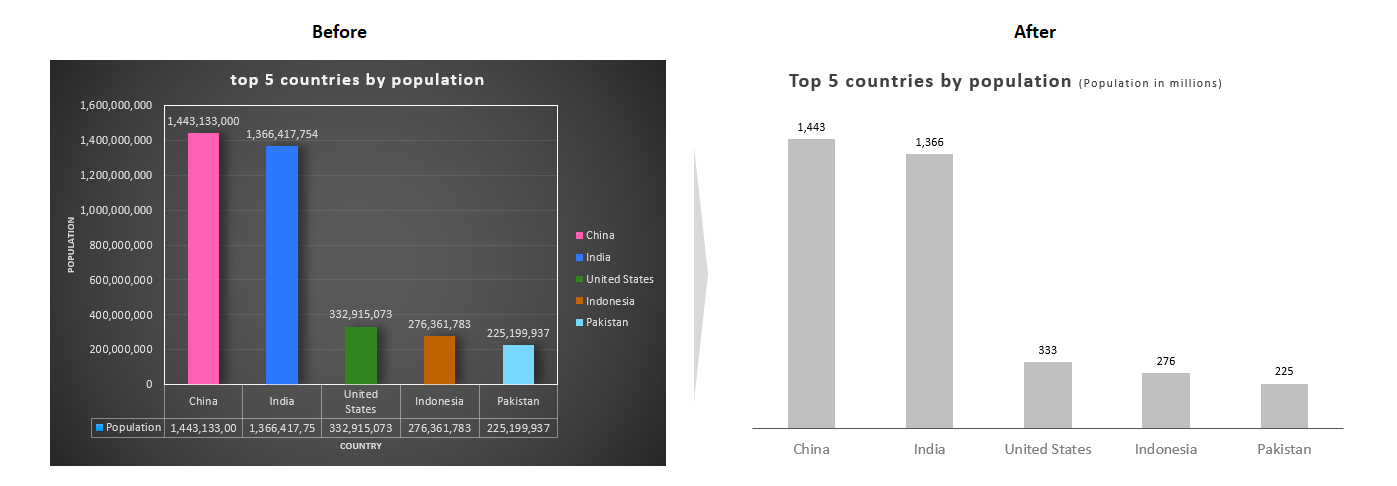
Edward Tufte, a pioneer in data visualisation, outlined five core principles for effective information design: 1. above all else, show the data; 2. maximise the data-ink ratio; 3. erase non-data-ink; 4. erase redundant data-ink; and 5. revise and edit (Tufte, 1983). While originally intended for quantitative graphics, these principles can be applied to visual storytelling like animation.
1. Above All Else, Show the Data
My animation centres on a fish’s journey through polluted waters, culminating in its entrapment by a plastic bag. This narrative illustrates the impact of ocean pollution on marine life effectively “showing the data” by transforming statistics into an emotional story. By illustrating the consequences of plastic waste, the animation conveys difficult environmental issues in an accessible manner, aligning with Tufte’s emphasis on presenting data clearly and compellingly (Tufte, 1983).
2. Maximise the Data-Ink Ratio
Tufte believes in maximising the proportion of a graphic’s ink that presents data, minimising non-essential elements (Tufte, 1983). In my animation, every visual component serves a purpose: the fish represents marine life, the plastic bag symbolises pollution, and the transition to a recycling bin shows the importance of proper waste disposal. By ensuring that each element contributes directly to the narrative, the animation maintains a high data-ink ratio, enhancing its communicative efficiency.
3. Erase Non-Data-Ink
Non-data-ink refers to decorative elements that do not convey information. My animation avoids unnecessary elements, focusing solely on the story’s essential components. The absence of excessive visuals ensures that the viewers’ attention remains on the core message, demonstrating Tufte’s principle of eliminating non-informative elements to prevent distraction (Tufte, 1983).
4. Erase Redundant Data-Ink
Redundant data-ink involves repeating information unnecessarily. My animation presents each narrative point, such as the fish’s entrapment and the transition to a recycling bin. It only happens once, avoiding repetition. This approach maintains the viewer’s engagement and reinforces the message without redundancy and follows Tufte’s guideline of eliminating repetitive elements that do not add value (Tufte, 1983).
5. Revise and Edit
My animation’s conceptual design transition from the ocean scene to a road with a recycling bin, demonstrates thoughtful revision and editing. This shift not only provides a solution to the story but also reinforces the call to action: “The ocean is NOT a bin, dispose of waste responsibly.” By refining the animation to include this transition, its impact and clarity is enhanced, embodying Tufte’s principle of continuous improvement through revision (Tufte, 1983).
By integrating Tufte’s five principles, my animation effectively communicates the severe consequences of ocean pollution and the importance of responsible waste disposal. The deliberate design choices ensure that every visual element serves the narrative, enhancing clarity and emotional resonance. This alignment with Tufte’s guidelines highlights the animation’s potential as a powerful educational tool.
References
Tufte, E.R. (1983). The Visual Display of Quantitative Information. Cheshire, CT: Graphics Press. Available at: https://www.edwardtufte.com/book/the-visual-display-of-quantitative-information/ [Accessed 5th May 2025]
Wayan W (2023) Improving data visualisation using the principle of Data-Ink Ratio. LinkedIn. Available at: https://www.linkedin.com/pulse/improving-data-visualization-using-principle-data-ink-wijesinghe
4.) Relevant Animation History- Include at least three links to existing animation examples related to your chosen sustainable or ethical subject area and analyse them. How have they influenced your final animation? (500 words plus visuals with captions)
In creating my classical animation on ocean pollution, I analysed several existing animations that address similar sustainability themes. Three key animations—The Beauty by Pascal Schelbli, Hybrids by students at MoPA, and All the Way to the Ocean by Doug Rowell. These have significantly influenced my creative decisions in terms of visual storytelling, tone, and environmental messaging.
1. The Beauty (2019)
Pascal Schelbli’s The Beauty is a short film that visualises an underwater world where plastic waste appears as part of the natural ecosystem. Plastic bottles and bags move fluidly with the currents, mimicking marine life (Schelbli, 2019). The film blurs the line between pollution and nature, drawing attention to the dangerous normalisation of plastic in our oceans. This idea of integrating pollution into the marine environment influenced the way I introduced rubbish in my animation. Rather than simply presenting rubbish as background litter, I had the fish encounter and interact with the waste directly. This was inspired by Schelbli’s approach, which reinforces how deeply embedded plastic has become in aquatic ecosystems.
2.Hybrids (2017)
Hybrids is a short, animated film produced by MoPA (Montpellier’s School of Computer Graphics) students, portraying sea creatures that have adapted to survive by incorporating trash into their bodies (MoPA, 2017). The concept of marine animals becoming one with pollution had a serious impact on my storytelling. Although my animation follows a traditional narrative arc, I used the idea of inescapable pollution to drive the tension. Like Hybrids, I wanted to present plastic as something unavoidable and life-threatening in the fish’s environment, culminating in its tragic entrapment in a plastic bag.
3. All the Way to the Ocean (2016)
Doug Rowell’s All the Way to the Ocean uses a simple, educational style to teach younger audiences about how litter travels from urban areas into the sea (Rowell, 2016). The animation demonstrates the consequences of human negligence in a relatable and hopeful manner. This influenced my decision to include a clear cause and effect sequence in my animation. The transition from the underwater death scene to a street with a recycling bin echoes the narrative structure of Rowell’s film. It conveys the idea that individuals have the power to intervene and prevent such tragedies through responsible waste disposal.
These three animations influenced my work by demonstrating how visual storytelling can be used to evoke emotion, convey urgent environmental messages, and encourage behavioural change. By studying their use of metaphor, tone, and structure, I was able to shape my own animation into a compelling piece that communicates the tragic reality of ocean pollution while also suggesting a solution.
References
MoPA (2017) Hybrids [Animation]. Available at: https://en.wikipedia.org/wiki/Hybrids_(2017_film) (Accessed: 1 May 2025).
Rowell, D. (2016) All the Way to the Ocean [Animation]. Available at: https://en.wikipedia.org/wiki/All_the_Way_to_the_Ocean (Accessed: 1 May 2025).
Schelbli, P. (2019) The Beauty [Animation]. Available at: https://www.youtube.com/watch?v=57Tzu7cAxeo (Accessed: 1 May 2025).