
Research & Context
This project focuses on sustainability within the outdoor clothing industry, particularly how people treat clothing once it becomes worn or damaged. Although brands like The North Face promote durability and long-lasting products, there is still a tendency for people to replace items rather than repair them. This contributes to unnecessary waste and goes against the idea of sustainability that these brands often promote.

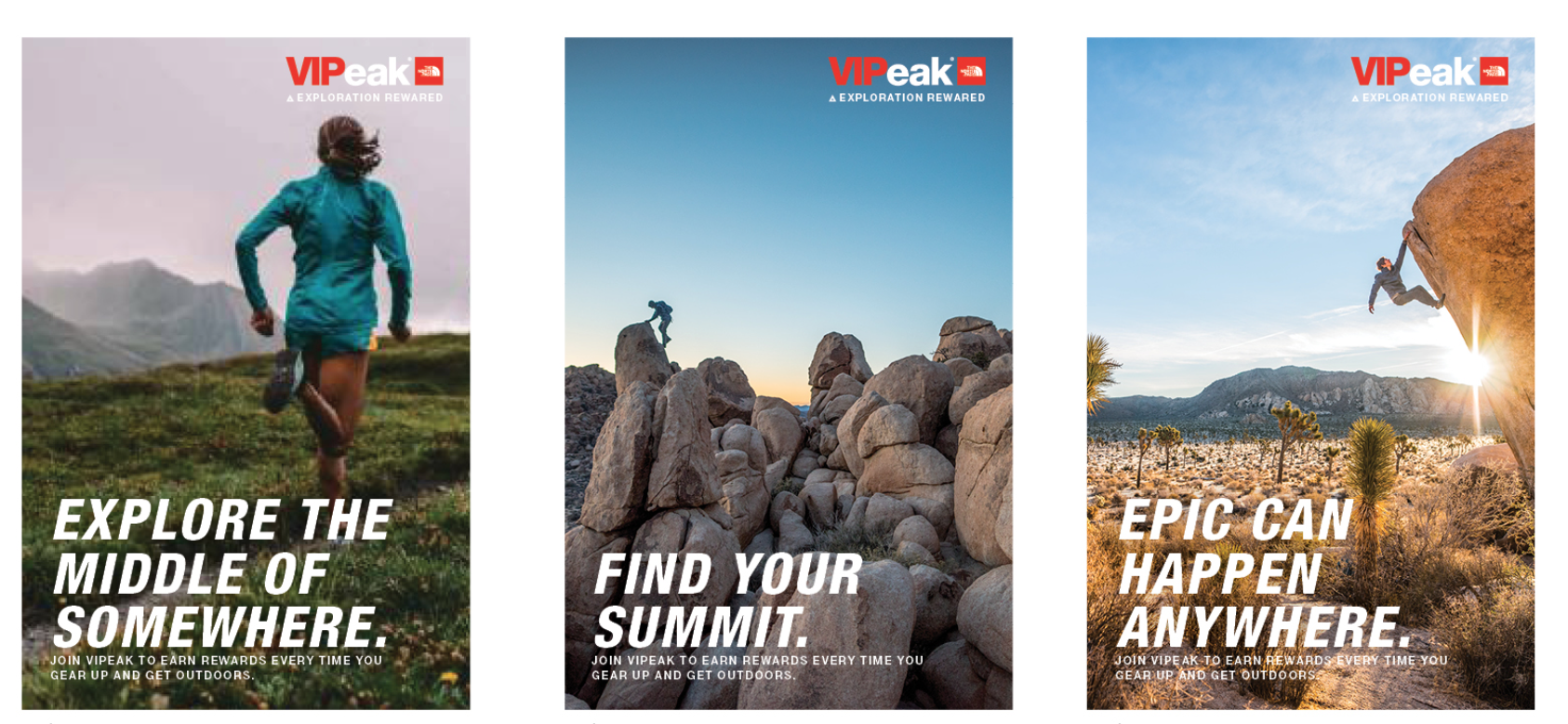
A key influence for this project was Patagonia’s “Worn Wear” campaign (Patagonia, 2023), which encourages people to repair and reuse clothing rather than buying new products. I was also influenced by The North Face’s campaign style, particularly their use of bold typography and simple layouts, where imagery is the main focus. These references helped shape the direction of my work, as I wanted the outcome to feel relevant to the industry while still communicating a clear environmental message.
Conceptual Development
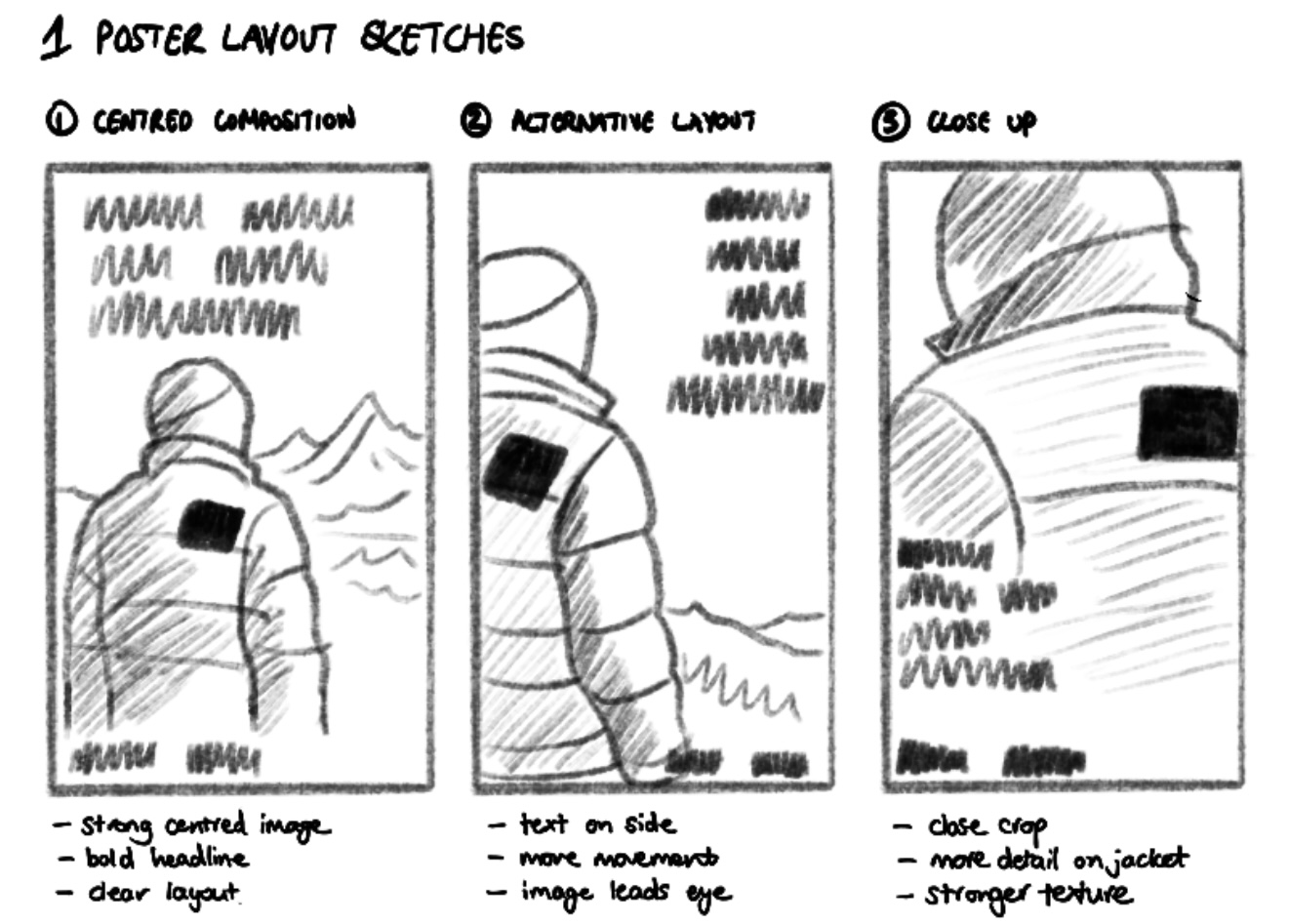
At the beginning of the project, I explored more literal ideas around repair, such as showing stitching or patching in detail. However, these ideas felt quite difficult to execute effectively using the resources I had available. Because of this, I shifted towards a more conceptual approach.
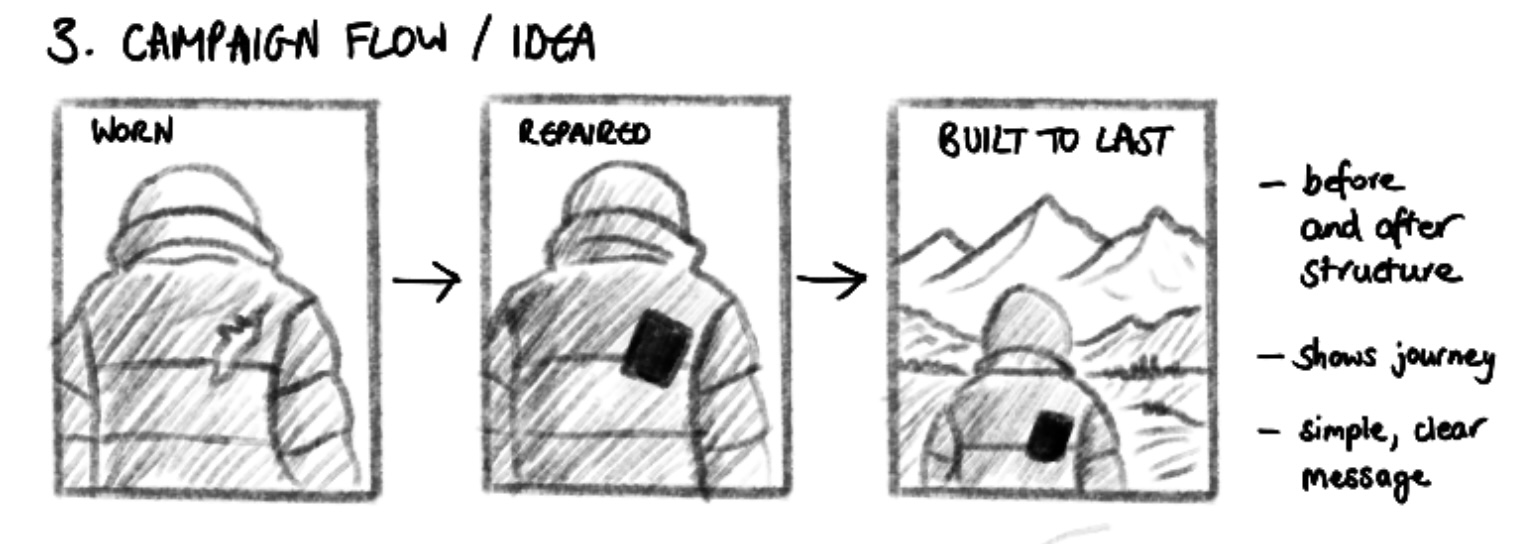
The idea developed into focusing on the value of clothing, leading to the concept that garments are “worth repairing”. Instead of showing the repair process directly, the work highlights the contrast between damaged and repaired states. This allows the audience to understand the message without needing a detailed explanation.
This shift helped simplify the overall direction and made the outcome feel more like a real campaign rather than a demonstration. It also made the message clearer and more direct, which is important in advertising.
Experimentation & Prototyping
Throughout this project, AI was used as a supporting tool to help develop and visualise ideas. It was particularly useful in generating base imagery for the campaign, providing a canvas to build from when resources were limited. To help with this I created my own visual content by photographing a North Face jacket that I own. I then used AI tools to extend this by generating a full figure wearing the jacket, allowing me to place the product within a more realistic outdoor context. This allowed me to focus more on composition, layout, and concept rather than production constraints.
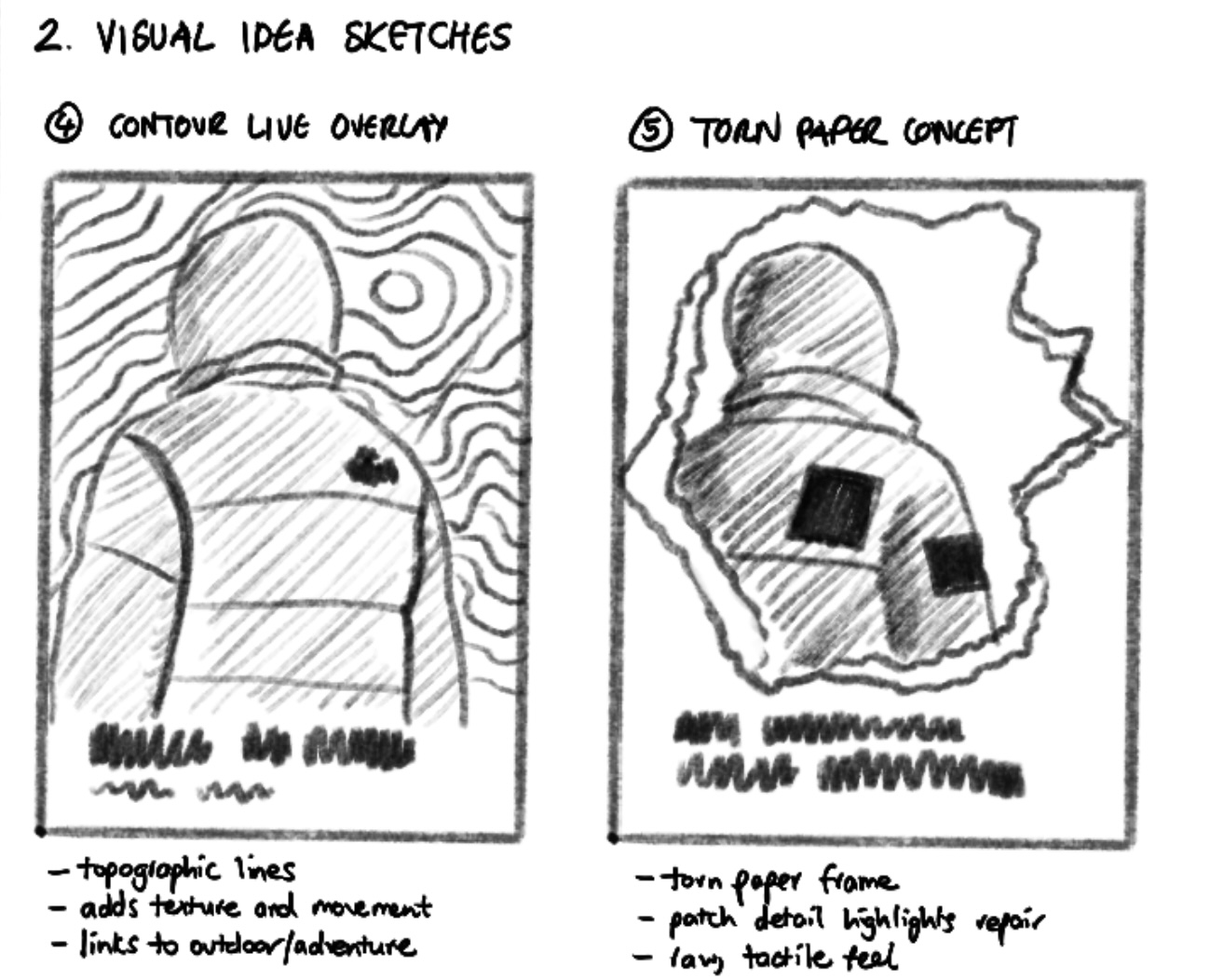
I experimented with a range of visual approaches, including double exposure, contour line overlays, and layered compositions such as torn paper effects. These were used to explore how to add more character and depth to the designs while still keeping the message clear.
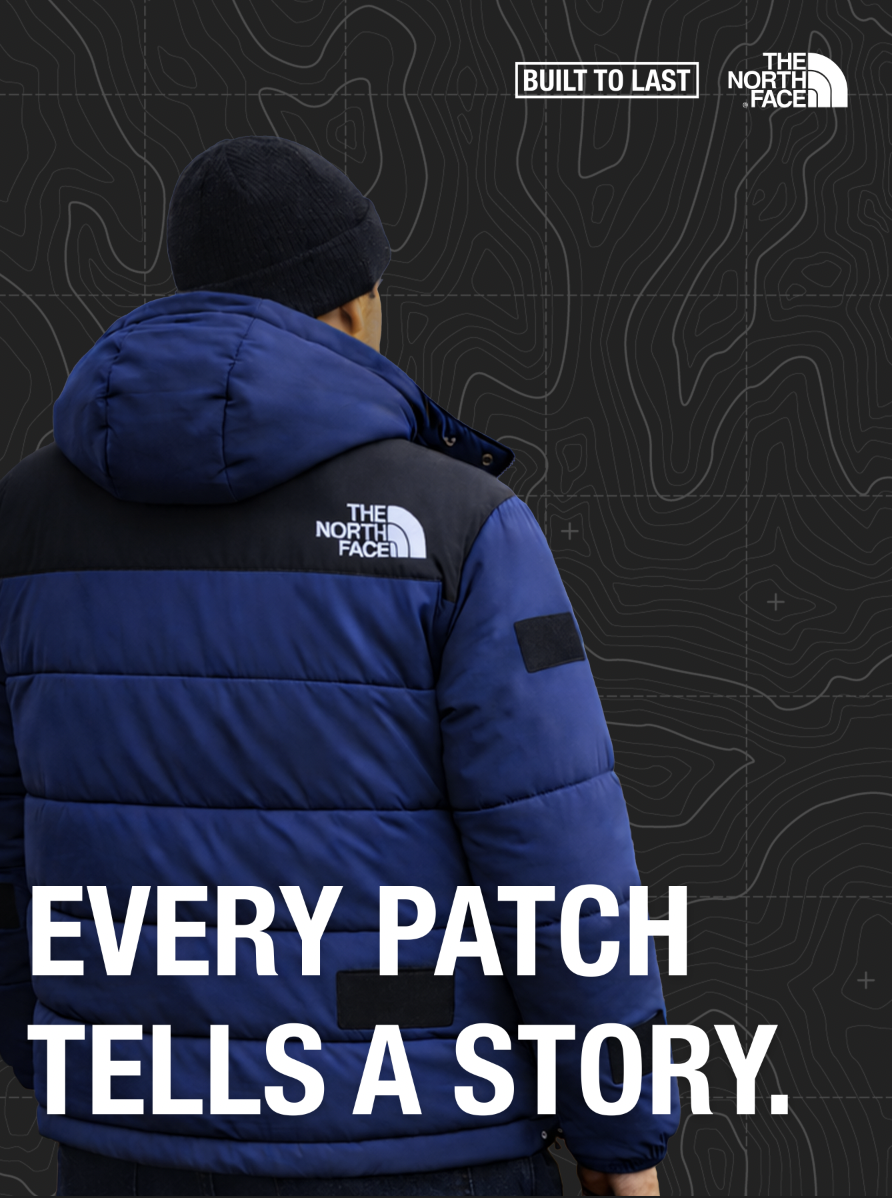
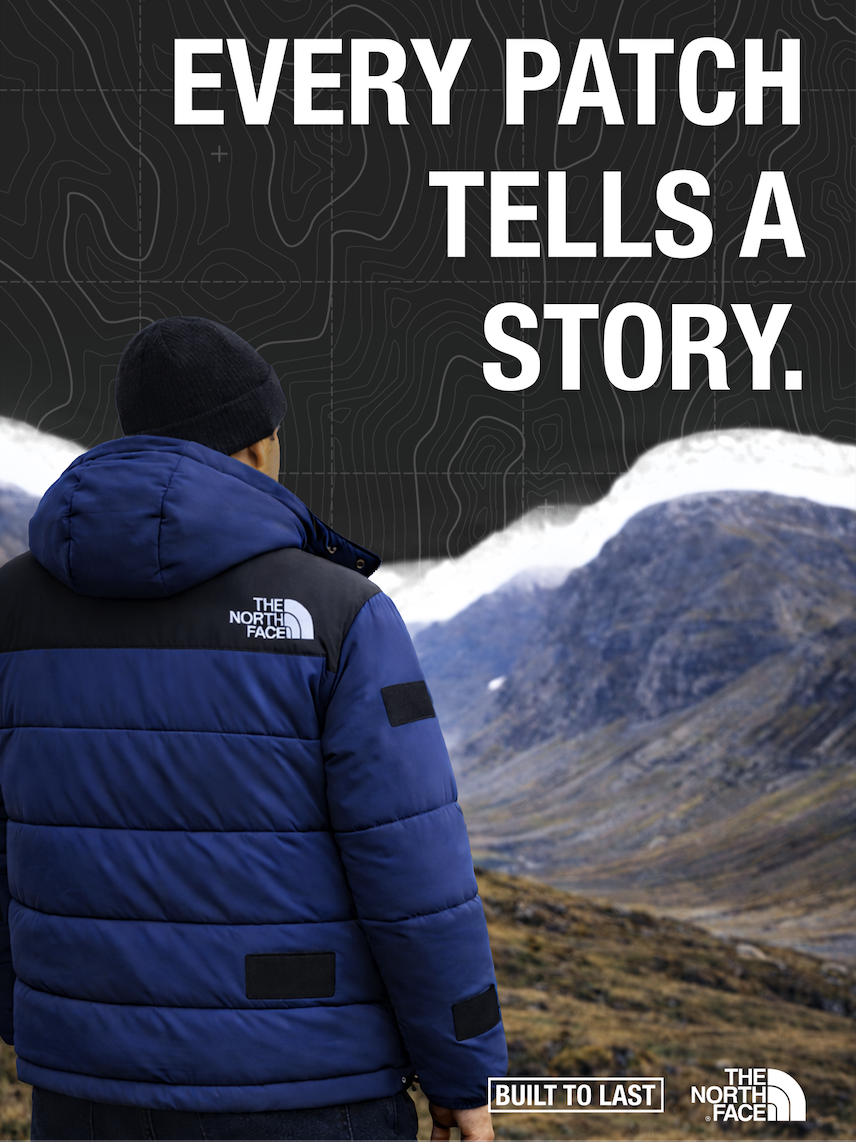
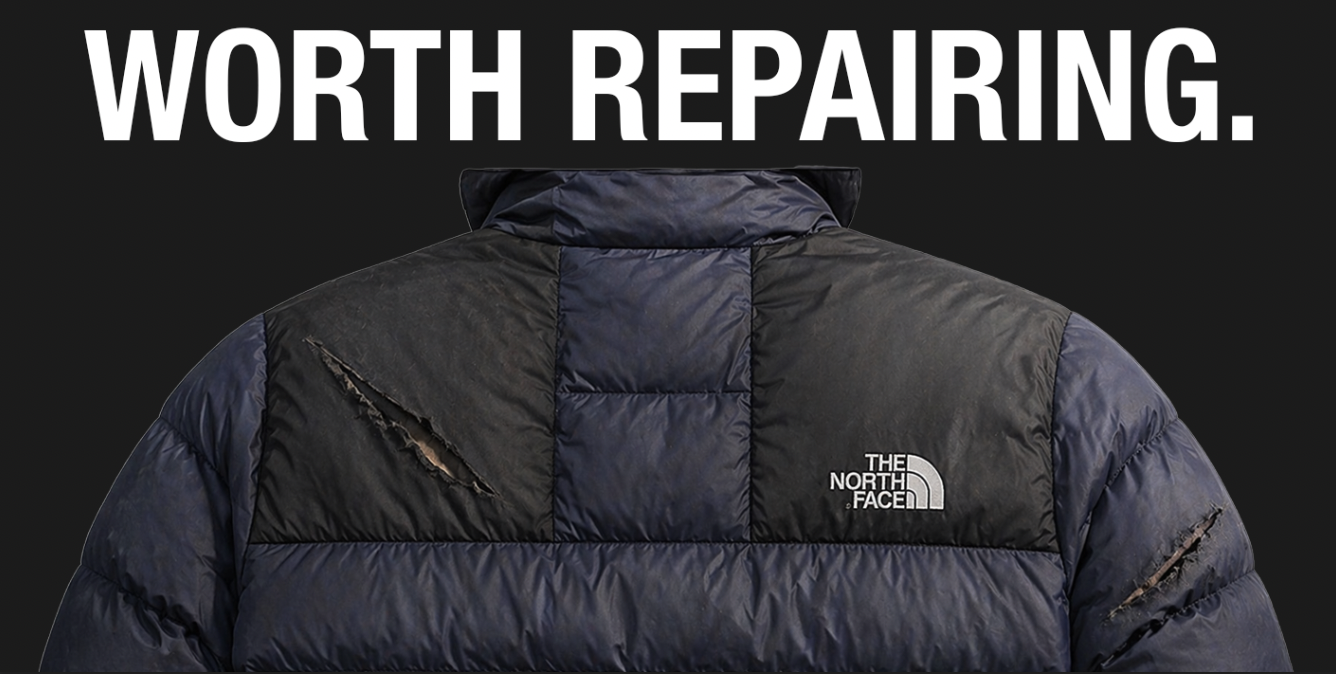
Some of these ideas worked well, but others made the designs feel too busy and overcomplicated. This helped me realise the importance of keeping things simple, especially when creating campaign visuals.
I also explored different formats, including video and social media content. Although due to limitations with stock footage and not having access to the right equipment, I wasn’t able to fully produce a video outcome.
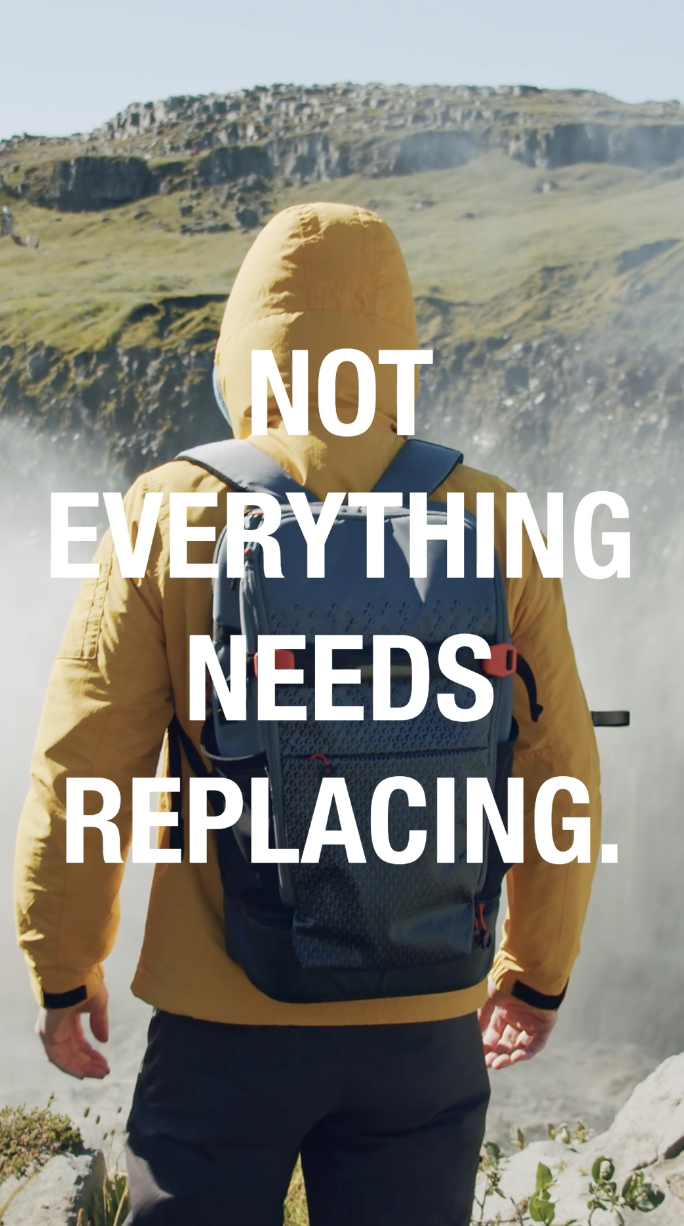
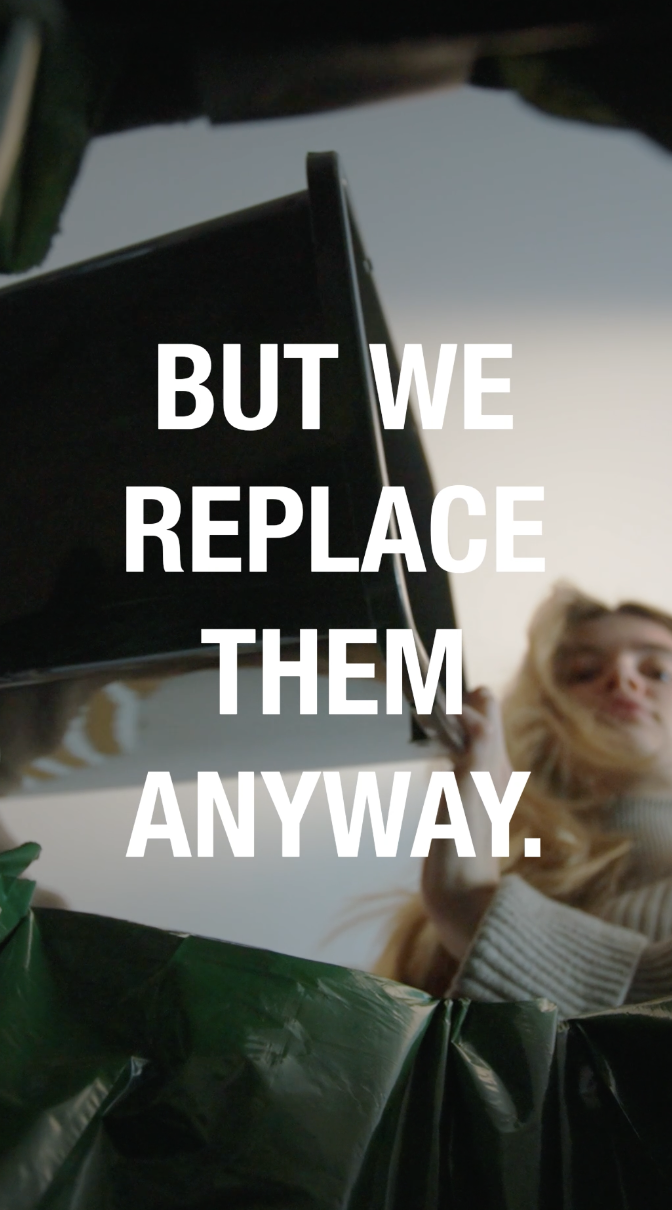
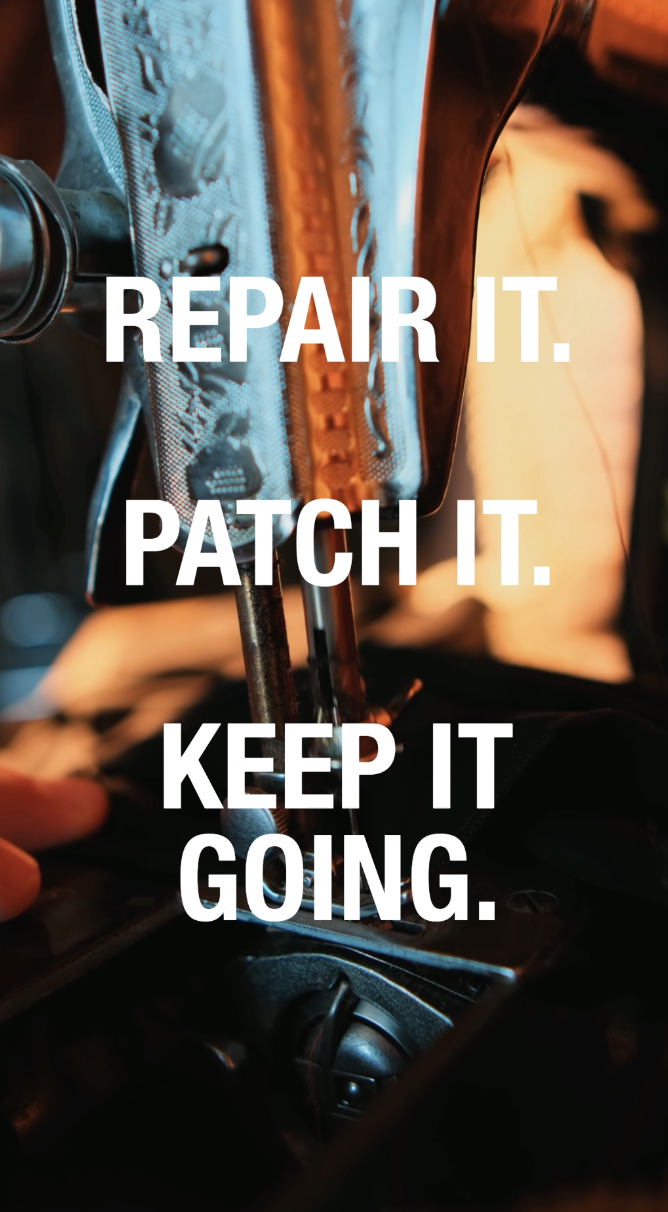
Instead, I created a mood board to show what the video advert would look like if I had the time and resources to make it. This allowed me to still develop the idea visually, focusing on the tone, pacing, and overall feel of the advert.
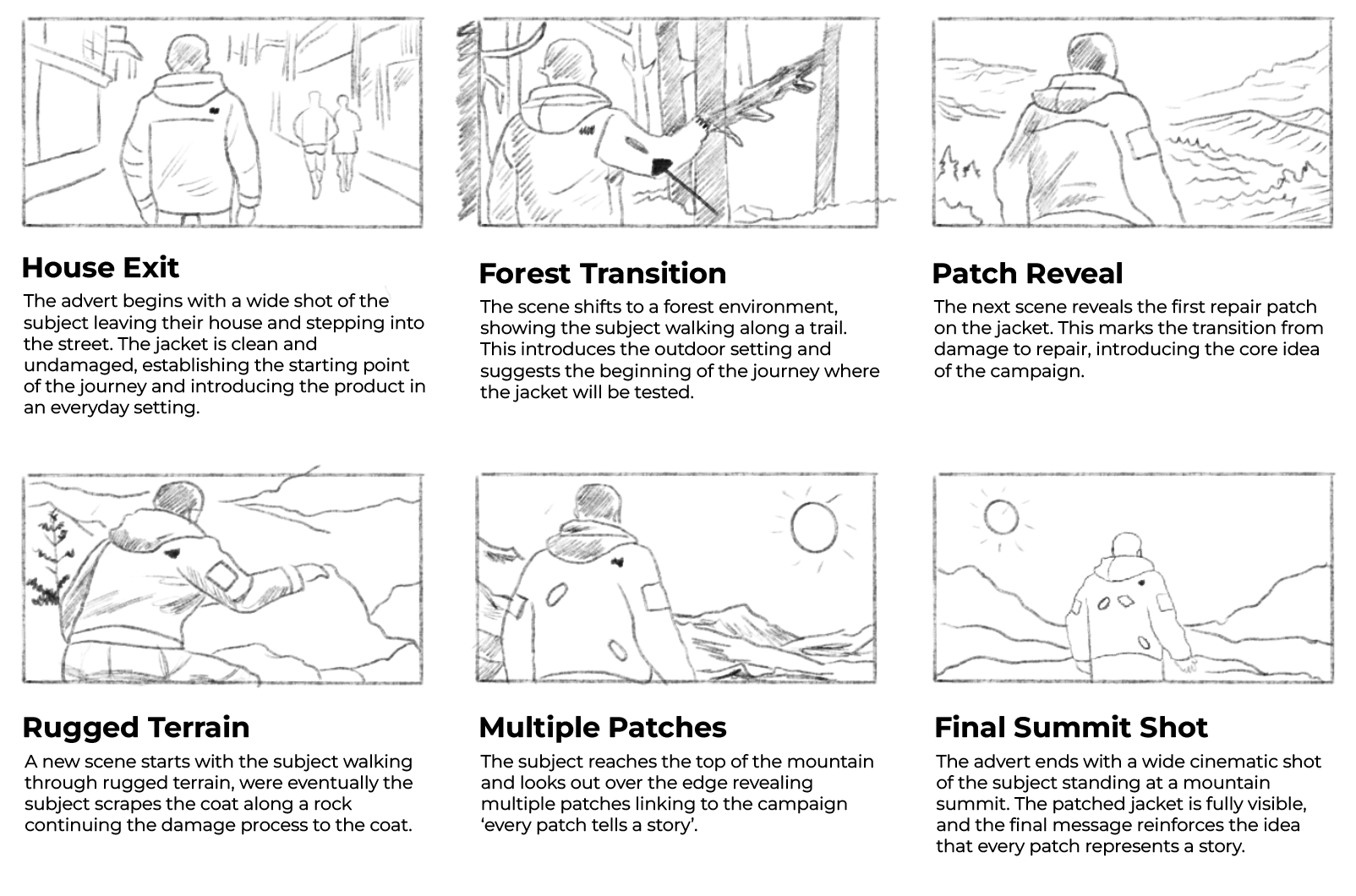
This process helped me adapt my ideas and move towards a more refined and controlled outcome.
User Testing & Feedback
Feedback was mainly gathered through peer discussions and informal critiques. Early feedback suggested that some of the designs felt too simple and lacked visual interest. In response, I introduced additional elements such as textures and layering to add more depth.
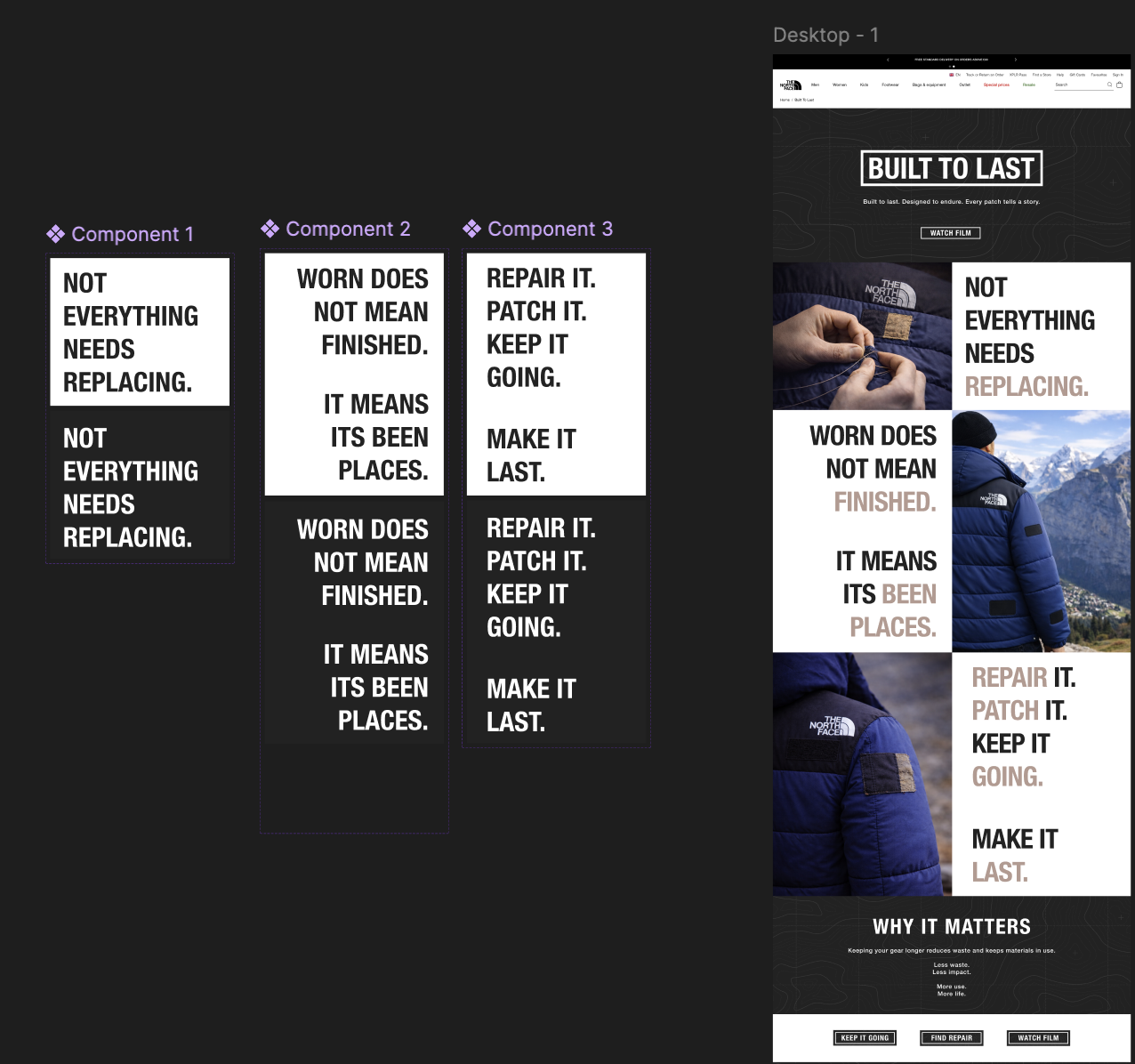
I also received feedback on the web page design, particularly around how users interact with the content. To improve this, I introduced a simple hover interaction where elements change colour and slightly expand when the mouse is placed over them. This made the page feel more responsive and engaging, while still keeping the overall design clean and consistent.
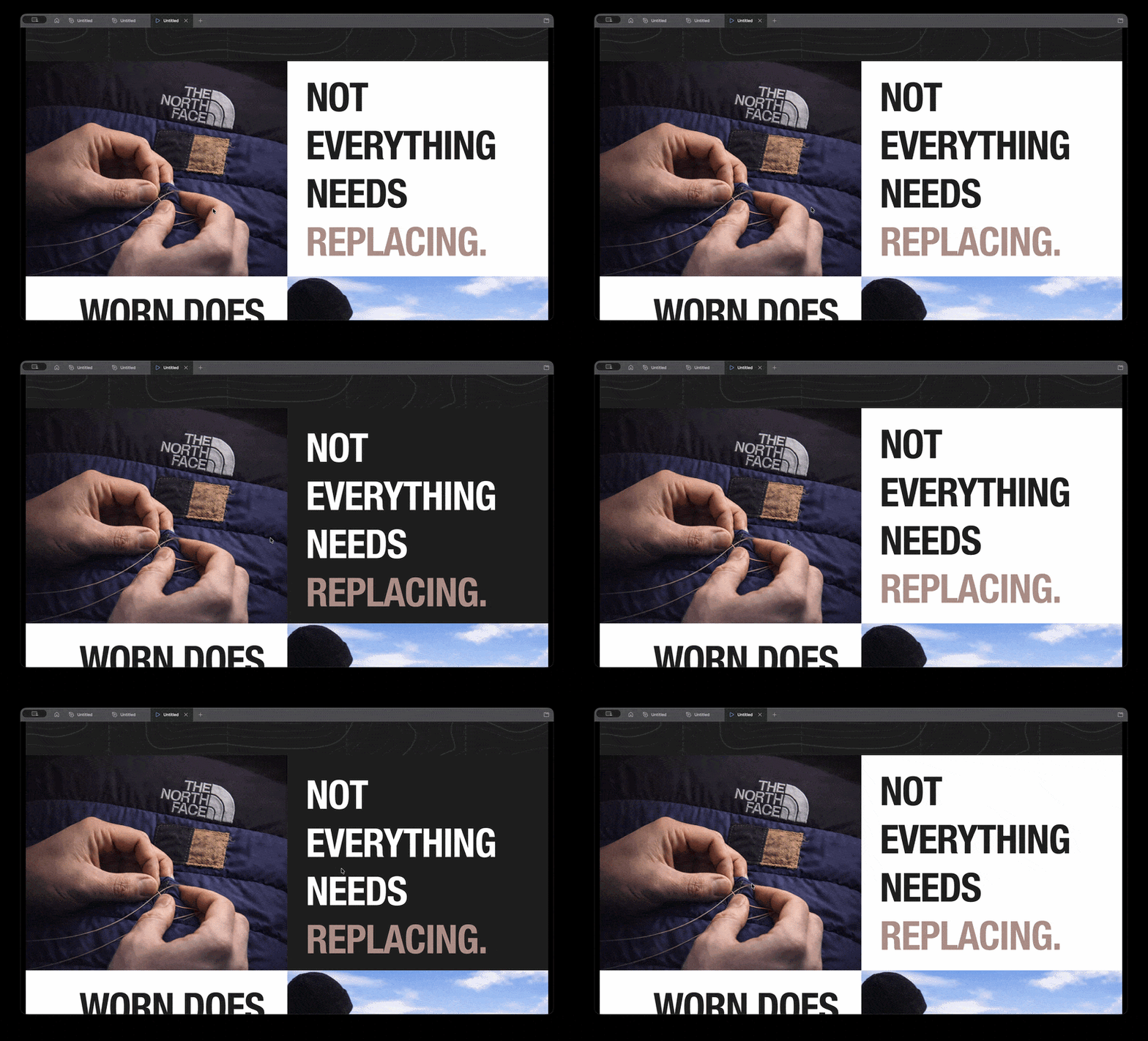
Another key piece of feedback was around readability. It was suggested that certain key words should be highlighted using colour to break up the text and make it easier to read. I applied this by subtly changing the colour of important words, which helped improve hierarchy and made the content clearer without overwhelming the design.
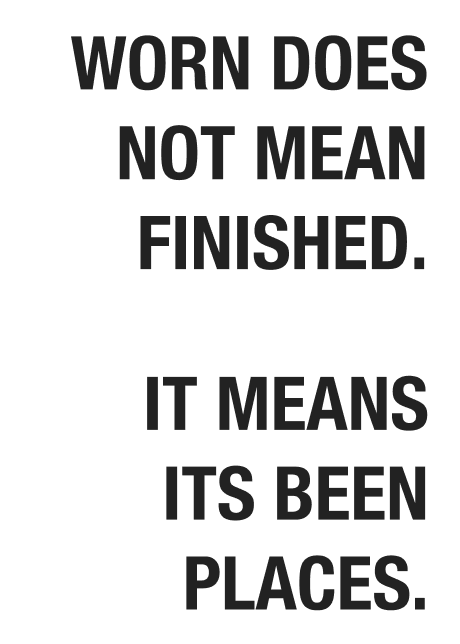
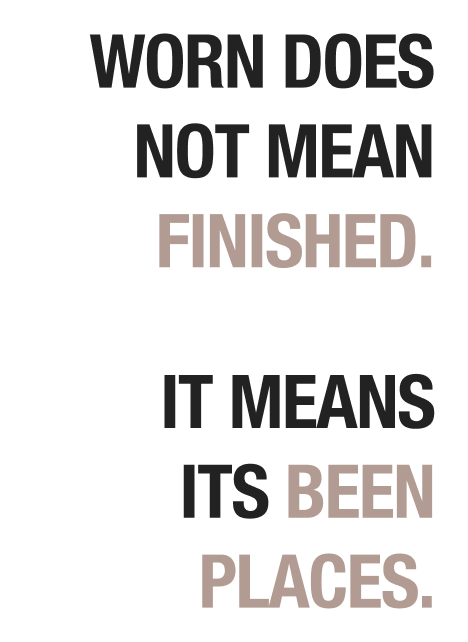
However, further feedback showed that adding too many visual elements could make the work feel cluttered. This led me to refine the designs by removing anything unnecessary and focusing more on the main idea.
Overall, people responded best to the clearer, more minimal designs where the message was easy to understand. The addition of subtle interactive elements and improved text hierarchy helped make the work more engaging while still supporting the overall concept.
Informed Design Decisions & Direction
The final outcome is a series of campaign posters and supporting digital content that aim to encourage people to repair their clothing rather than replace it. The designs use strong imagery and minimal text to communicate the message clearly and quickly.
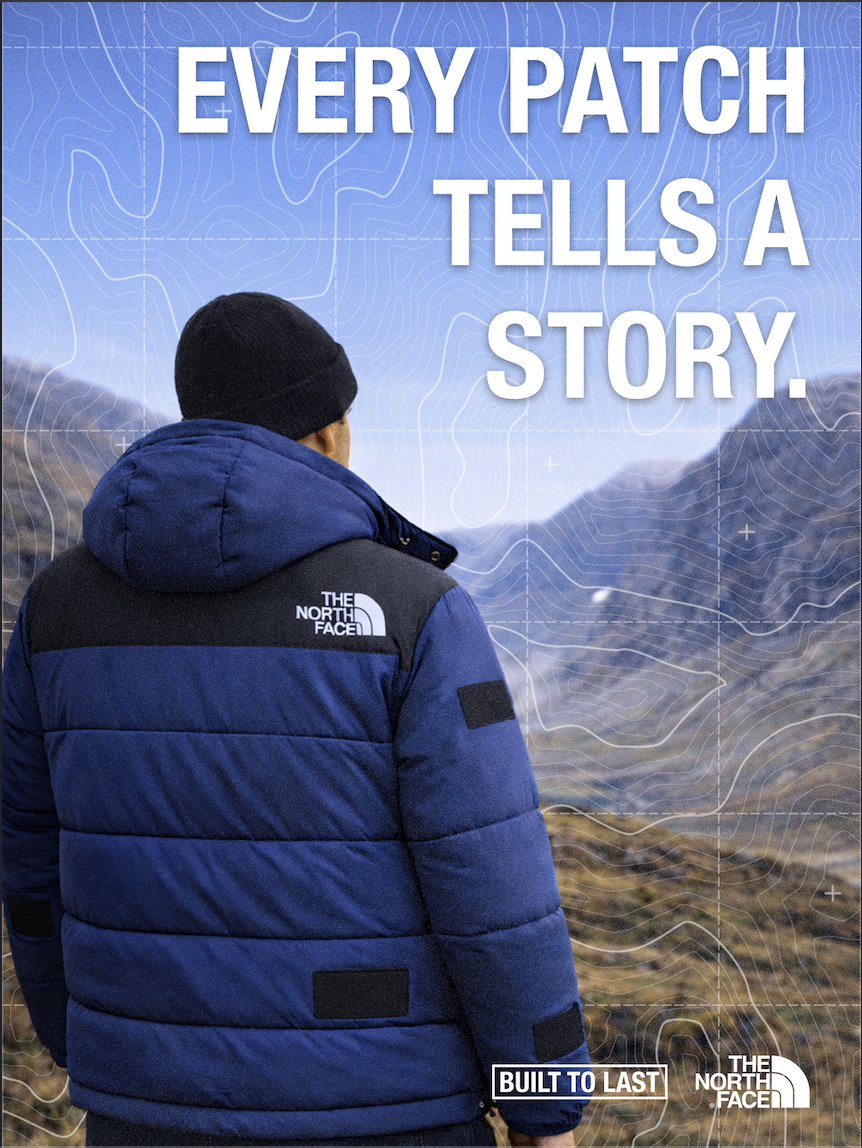
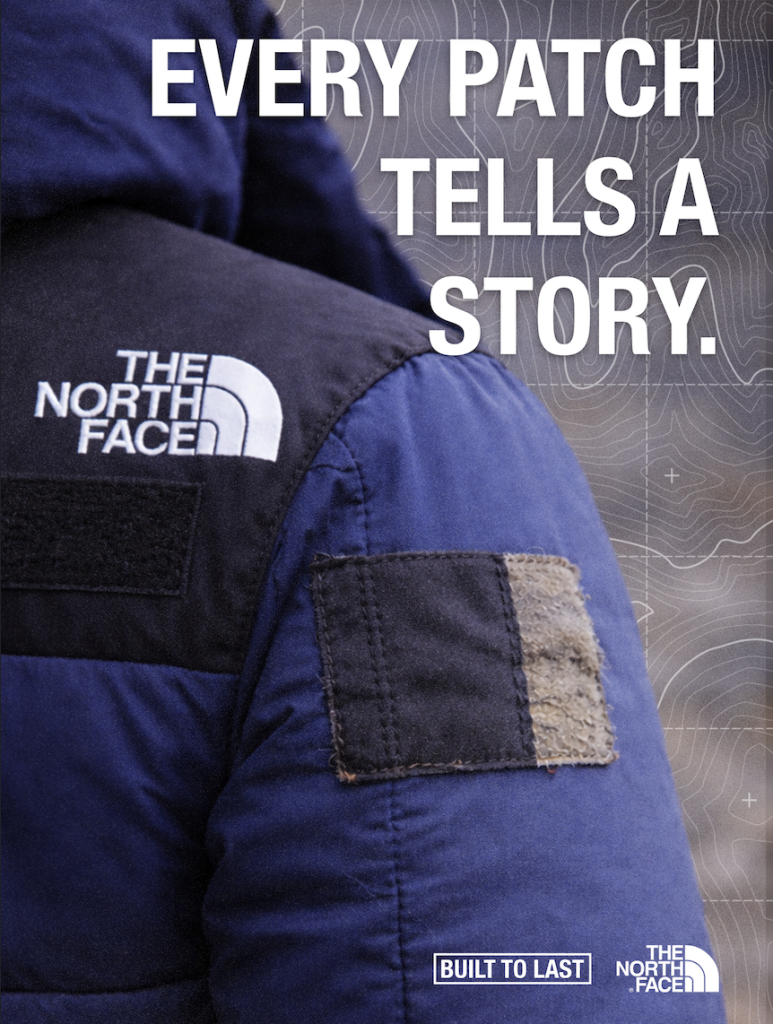
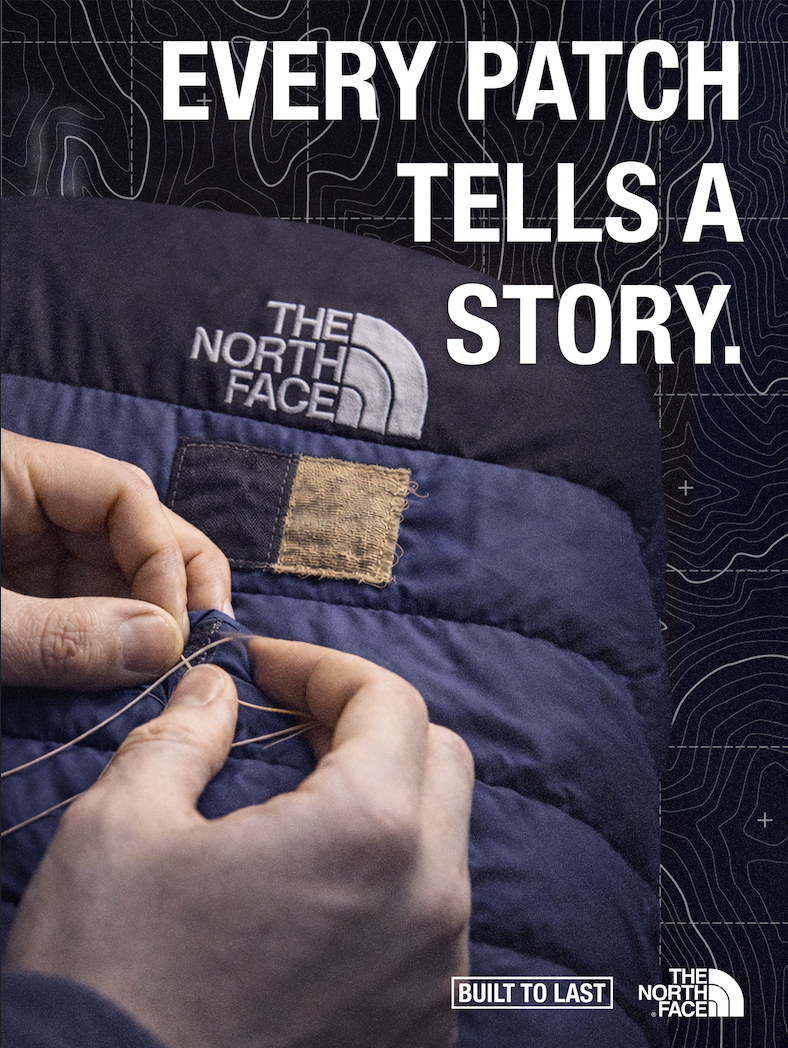
A key decision was to keep everything consistent and focused, rather than trying to include too many ideas. This helped the work feel more professional and closer to real campaign design. The visual style is influenced by existing outdoor campaigns, particularly those by The North Face, but also reflects my own approach to layout and composition.
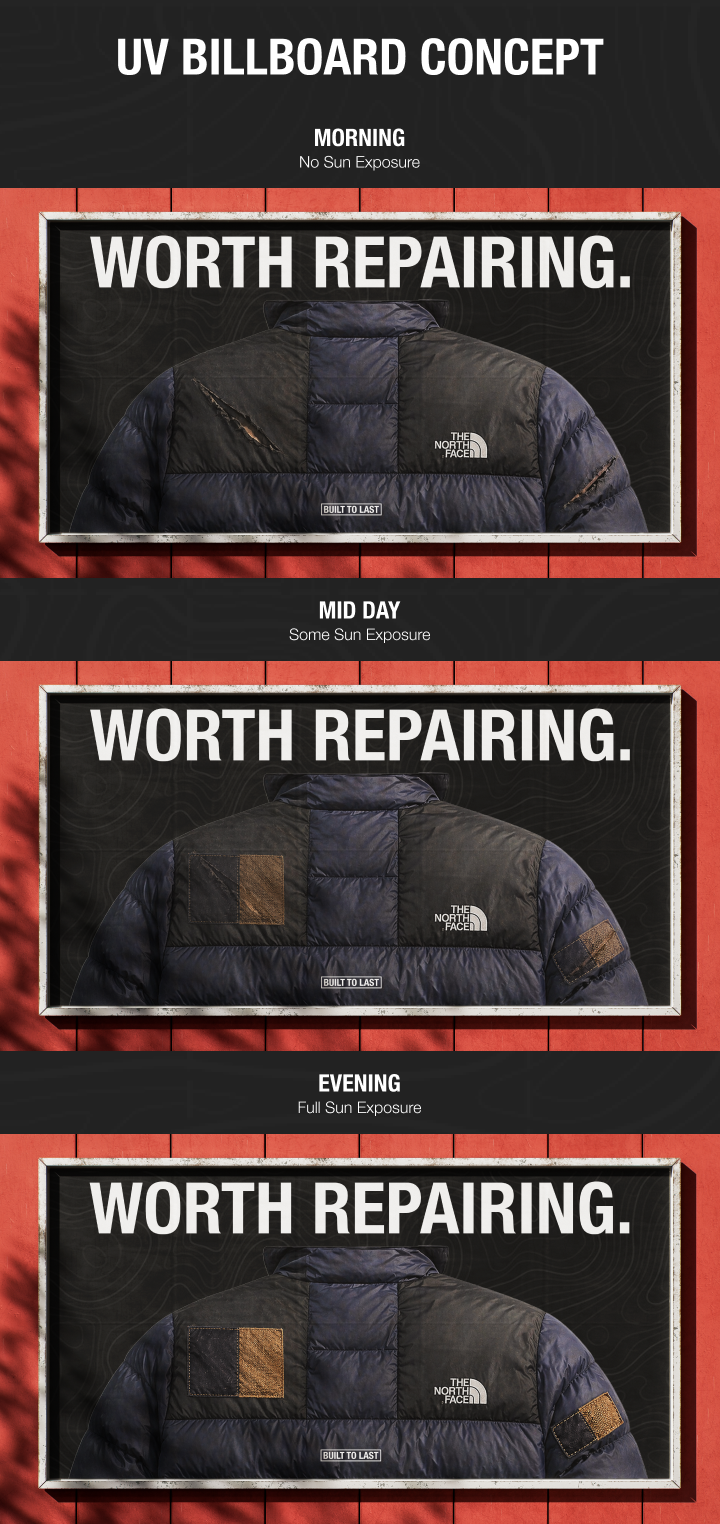
The billboard concept uses UV or light-reactive ink to visually show the idea of repair over time. As the billboard is exposed to sunlight throughout the day, patch shapes gradually appear over the damaged areas of the jacket, eventually revealing a fully repaired version. This creates a simple before and after transformation without needing digital screens or animation. The concept links directly to sustainability by using natural light as the trigger, reinforcing the idea of repair as a gradual process rather than an instant replacement.
In terms of sustainability, the project promotes a shift in behaviour by encouraging people to extend the lifespan of their clothing. This helps reduce waste and supports more responsible consumption.
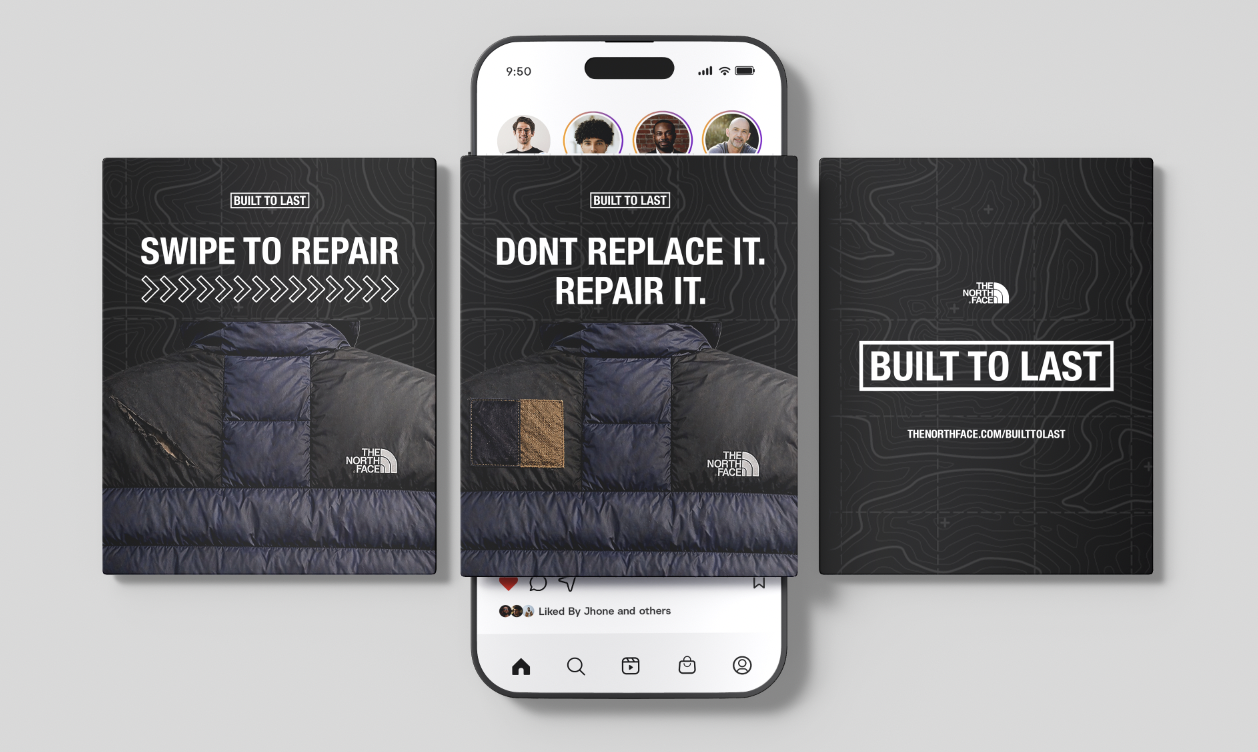
Overall, the project shows how a simple idea can be developed through experimentation and feedback into a clear and effective campaign. This project shows how design can be used to influence behaviour, encouraging people to make more sustainable choices through visual communication.
References
Patagonia (2023) Worn Wear. Available at: https://www.patagonia.com/worn-wear/ (Accessed: 1 May 2026).
The North Face (2024) Brand Campaigns. Available at: https://www.thenorthface.co.uk/ (Accessed: 1 May 2026).